
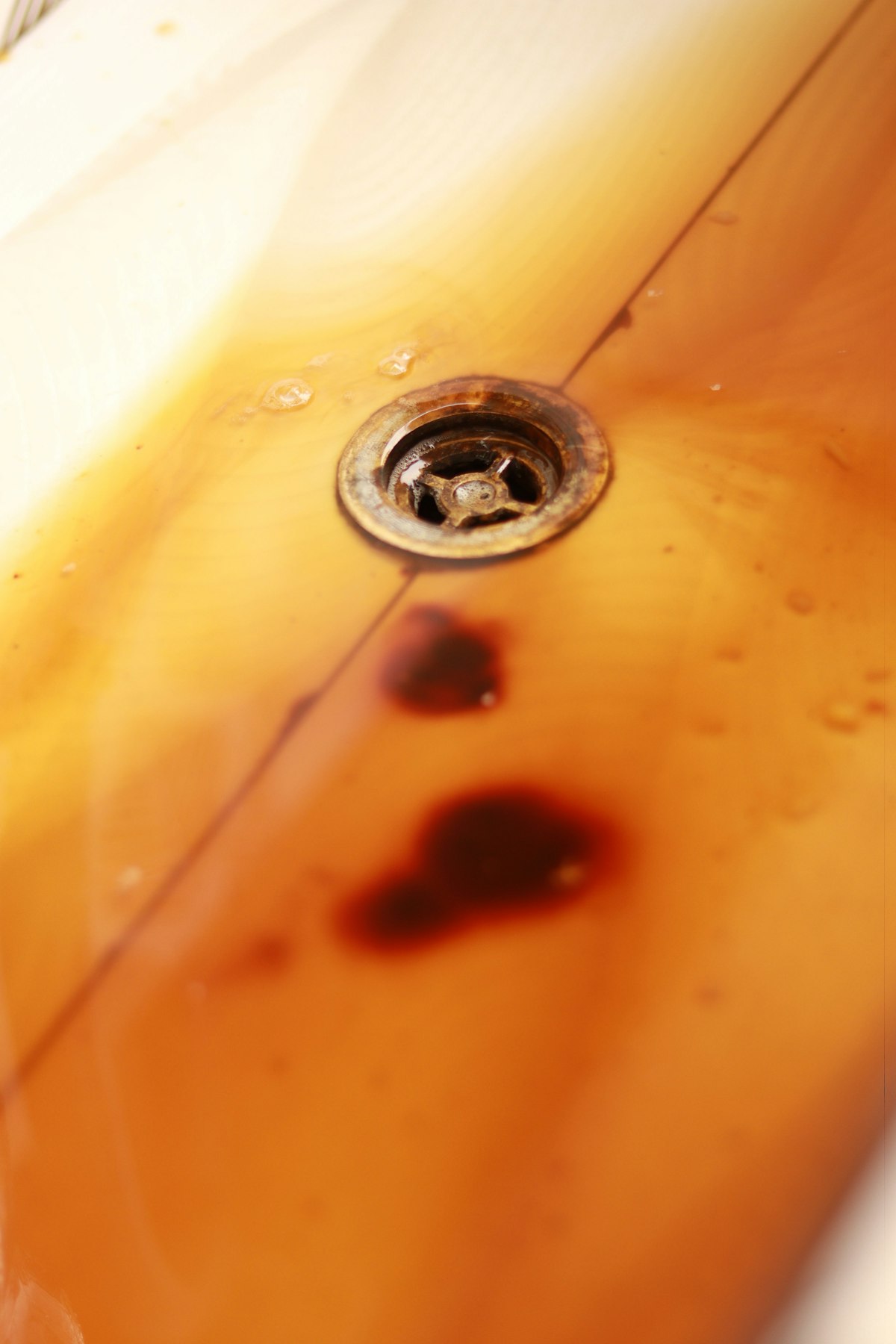
Most of the Greater Toronto Area gets its municipal water from sources with a moderate-to-high mineral content, which is why "hard water" comes up so often when homeowners talk about plumbing here. It's not a safety issue — hard water is perfectly fine to drink and bathe in. What it does affect is everything the water passes through on its way there: pipes, fixtures, appliances, and anything with a heating element.
What Hard Water Actually Is
Water is classified as "hard" based on how much dissolved calcium and magnesium it carries. Rain and groundwater pick up these minerals as they pass through soil and rock, and the amount varies by region depending on the local geology. Water with a higher concentration of these minerals is harder; water with less is softer. There's nothing wrong with the water itself — it's simply carrying more dissolved mineral content than soft water does, and that mineral content is what causes the effects described below.
The Signs You Can See
Hard water tends to announce itself in small, cumulative ways rather than one obvious symptom. A white or chalky crust forms on faucet aerators and showerheads, sometimes reducing spray to an uneven dribble. Glassware and dishes come out of the dishwasher with a cloudy film instead of a clean shine, even with a full cycle. Soap and shampoo don't lather as easily, and skin can feel like it's never quite rinsed clean. Kettles and coffee makers develop a scaly white residue on internal surfaces. None of these signs are dangerous on their own, but together they're a reliable indicator of what the water in the house is carrying — and a preview of what's happening in places you can't see.
What It Does to Pipes and Water Heaters Over Time
The same minerals that leave a chalky ring on a faucet also settle out of the water as it moves through the plumbing system, particularly anywhere the water is heated or the flow slows down. Inside pipes, that mineral content gradually deposits as scale on the interior walls, narrowing the effective diameter over years and reducing flow. In a water heater, scale settles on the heating element or the bottom of the tank, insulating it from the water it's supposed to be heating — the unit has to work harder and longer to reach the same temperature, which shows up as higher energy use and, eventually, a shorter working life for the appliance. Scale also accumulates inside fixtures with moving parts: faucet cartridges, shower valves, and toilet fill mechanisms all have seals and small passages that mineral buildup can gum up or wear down faster than they would in soft water.
Softening and Mitigation Options
The most common way to address hard water at the source is a whole-home water softener, which uses an ion-exchange process to replace the calcium and magnesium in the water with sodium or potassium before it reaches the rest of the plumbing. This addresses the problem for every fixture and appliance in the house rather than one at a time. Smaller-scale options exist too — filtered showerheads and point-of-use filters can reduce scale locally, though they don't do much for the water heater or the pipes themselves. Which approach makes sense depends on the household's water usage, the age of the existing plumbing, and how noticeable the effects already are. It's a conversation worth having with a professional rather than guessing at a fix, since an undersized or poorly matched system won't solve much.
When It Stops Being a Nuisance and Becomes a Repair
Scale on a showerhead is an annoyance. Scale that's been narrowing a pipe's interior for years, or that's built up inside a water heater's tank and components, is a maintenance issue that eventually turns into a repair or replacement. Warning signs worth paying attention to include a noticeable drop in water pressure that isn't explained by anything else, a water heater that takes longer to produce hot water or makes popping and rumbling sounds as it heats, and fixtures that have become stiff, leaky, or hard to operate smoothly. If any of that sounds familiar, it's worth having the affected fixtures or the water heater looked at before mineral buildup turns a manageable issue into a bigger one.
Dealing With Scale Buildup or a Struggling Water Heater?
If hard water has been affecting your fixtures or your hot water supply, we can take a look and walk you through what's worth fixing now versus monitoring.